
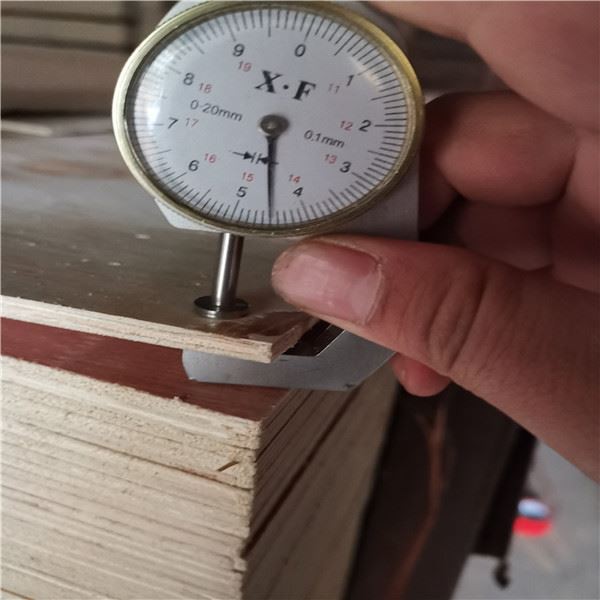
Decorative plywood veneer is a widely used material in furniture manufacturing and interior decoration. It consists of a thin layer of natural wood veneer bonded to plywood panels to create an attractive surface with the appearance of solid wood. This structure combines the natural beauty of wood with the strength and stability of engineered panels.
Because of its decorative appearance and structural performance, decorative plywood veneer is commonly used in cabinets, wall panels and architectural interior elements. In modern interior projects, it is often combined with materials such as WPC wall panels or decorative surfaces like PVC marble sheets to create contemporary interior designs.
What Is Decorative Plywood Veneer?
Decorative plywood veneer is a type of engineered panel made by bonding natural wood veneer sheets to plywood substrates. The veneer layer provides the visual texture and grain pattern of real wood, while the plywood core improves strength and dimensional stability.
This combination allows manufacturers to produce decorative panels that maintain a natural wood appearance while offering better resistance to deformation compared with solid wood boards.
Main Types of Decorative Veneer Panels
Natural Wood Veneer Panels
Natural veneer panels use thin slices of real wood, such as oak, walnut or maple, to create decorative surfaces. These veneers highlight the natural grain patterns and textures of the original timber.
Engineered Decorative Veneer
Engineered veneers are manufactured to achieve consistent colors and grain patterns. These materials allow designers to create uniform decorative surfaces across large interior projects.
Single-Layer and Double-Layer Veneer
Decorative veneer panels can also be classified based on their structural configuration. Single-layer veneer panels use one decorative surface layer, while double-layer panels may include additional decorative or protective layers.
Quality Standards for Decorative Veneer Panels
Manufacturers evaluate decorative veneer panels based on several technical indicators, including surface quality, bonding strength and environmental performance.
Moisture Content
The moisture content of decorative veneer panels affects dimensional stability and long-term performance. Maintaining appropriate moisture levels helps prevent warping or cracking.
Bonding Strength
Bonding strength determines the durability of the veneer layer attached to the plywood core. High-quality adhesives ensure that the veneer remains firmly bonded during use.
Environmental Standards
Many countries regulate formaldehyde emissions in wood-based panels used in furniture and construction. International standards developed by organizations such as ASTM International help define testing methods and safety requirements.
Applications of Decorative Plywood Veneer
Furniture Manufacturing
Furniture manufacturers frequently use decorative veneer panels for cabinets, wardrobes and tables because they combine natural aesthetics with structural strength.
Interior Wall Panels
Decorative plywood veneer is also used for interior wall cladding and architectural decoration. In many projects, designers combine veneer panels with modern materials such as SPC flooring to create complete interior design solutions.
Architectural Decoration
Architects and interior designers use decorative veneer panels in hotels, offices and commercial spaces to create warm and elegant interiors.
Conclusion
Decorative plywood veneer offers an excellent balance between natural wood aesthetics and engineered structural performance. By combining real wood veneer with plywood substrates, manufacturers can create durable and visually attractive panels suitable for a wide range of interior applications.
As interior design continues to evolve, decorative veneer panels remain an important material used in furniture production and architectural decoration.
